When we think about behavioral design, we usually picture small, simple nudges such as changing a default setting on a screen. In academic research, these isolated changes are popular. But in the real world, many other decisions must be made before and after a single nudge is chosen. For instance, teams have to decide for whom and how a specific nudge should be applied. This gap is why I wrote a case-based paper with Philip Cash, published in the journal Designing.
We studied a design team at Samsung Electronics over a 16-week project. Their goal was to help users make better decisions within a smart home system.
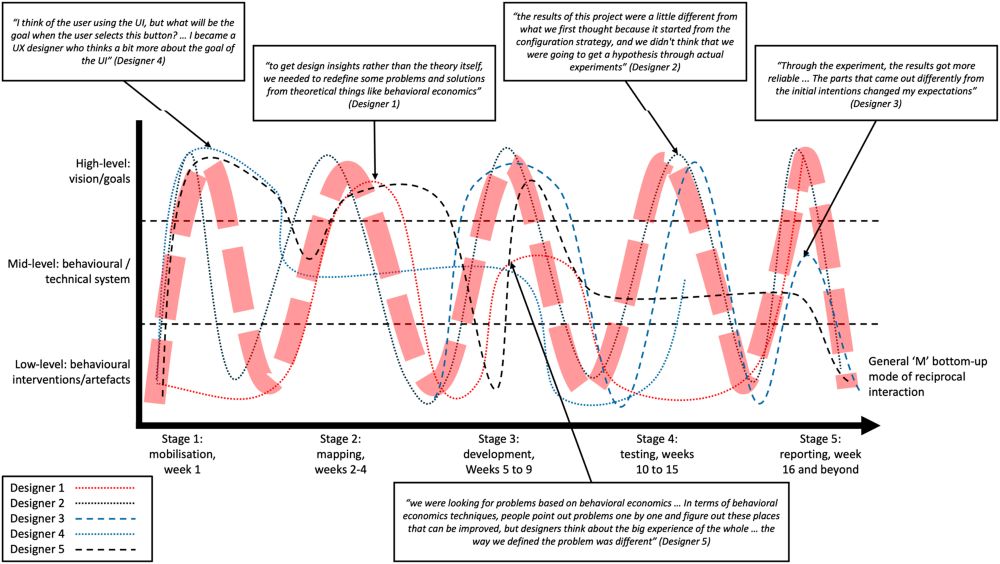
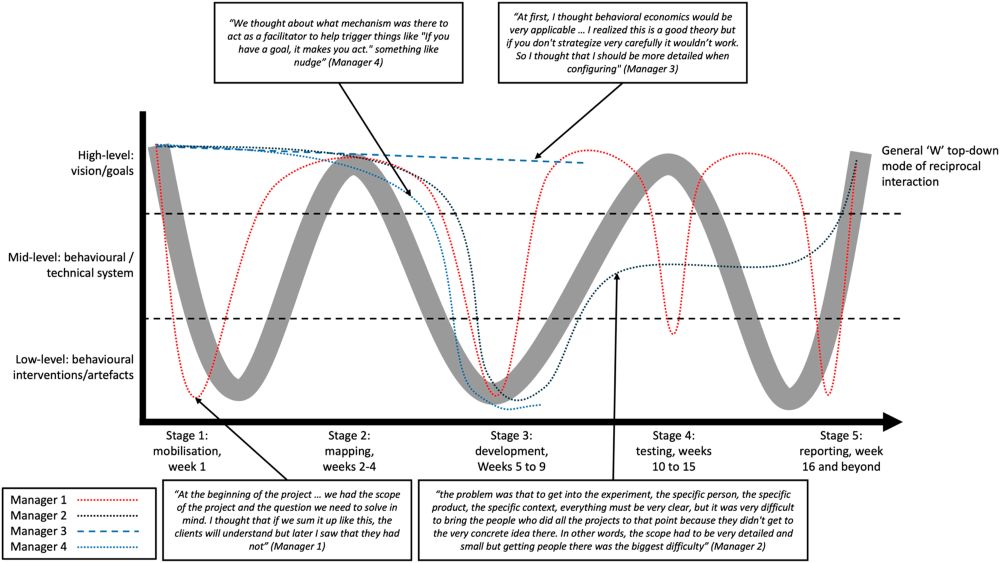
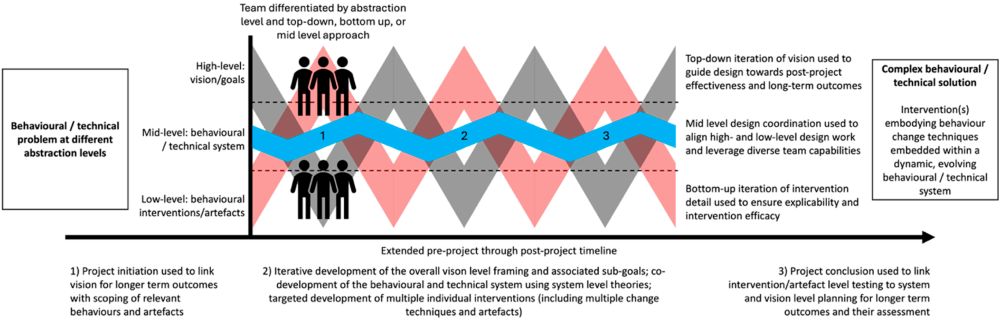
We found that the team worked across three different levels of abstraction.
High-level (vision/goals): Focusing on long-term user goals rather than short-term company metrics.
Mid-level (behavioural/technical systems): Organizing how different products connect. For example, instead of looking at home appliances as separate machines, the team grouped products into bundles to help users achieve one main goal like cleaner air at home.
Low-level (Interventions/artefacts): Managing specific design features and psychological details in the interface
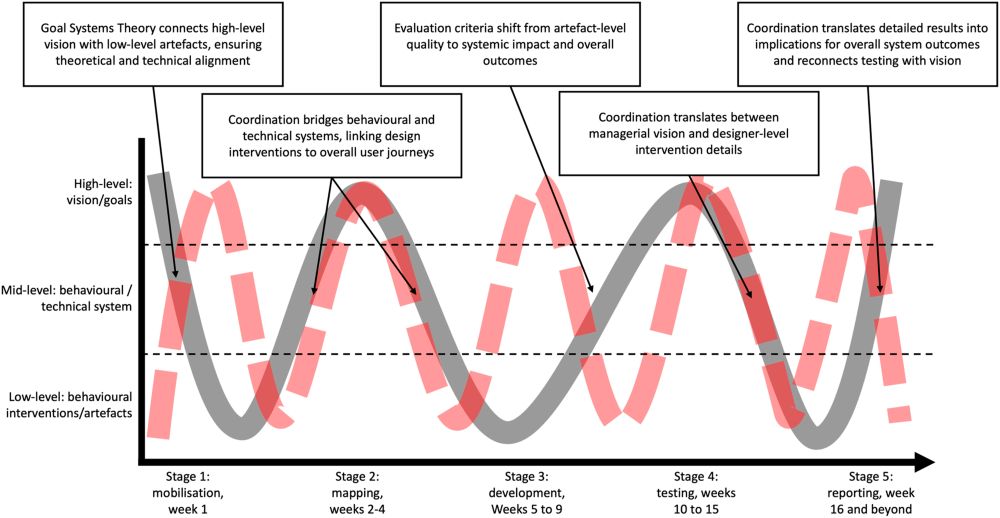
Our study also shows that team members must collaborate closely in a non-linear way. Designers (the red line in our framework) often work from the bottom up to change big goals based on design artefacts, while managers (the grey line) work from the top down to keep intervention details aligned with the vision.
The most important part of this process is mid-level coordination, which acts as the critical bridge connecting the big strategy with specific interface details.
While most nudge research simplifies the problem by focusing on either the high level or the low level, behavioural design projects in the wild must navigates all three levels simultaneously. The connection between these layers are consequential for managing process complexity.
If we want behavioral economics to be truly useful, we must change how we design. We cannot treat behavioral design as just a list of separate, simple steps. By focusing on systemic coordination instead of isolated nudges, we can help design teams handle complex projects and create real, long-term value.
Behavioural design has emerged as an important means of shaping behaviour change. Realising such change often necessitates complex combinations of multiple behaviour change interventions and multiple design artefacts. Yet, it is unclear how current practices should be adapted for such contexts. Hence, we ask: How can complexity be addressed in a behavioural design process? Through an in-depth case study, we develop several propositional insights. We theorise Complex Behavioural Design (CBD) in systemic terms and differentiate this from typical behavioural design processes by: (i) the progression of design at multiple abstraction levels requiring different design capabilities (high dealing with vision and goals; mid dealing with the behavioural/technical system; and low dealing with interventions and artefacts), (ii) the presence of both top-down and bottom-up reciprocal interactions across levels, and (iii) the need for mid-level design coordination. These significantly extend current discussions in behavioural design and point to propositional directions for future research.
“Designer 2 expressed how shifting perspectives changed his view of design itself: ‘I used to have times when design itself was my goal. But as I worked through this project, I realized that design shouldn’t be the goal. Design is a methodology for doing something’, and further that this needed to include logic from other aspects of the project: ‘you have to consider the market… since the management has a view close to the market, it will be very helpful when communicating with them’.” (pg. 10)
Engineers often compare their technical dimensions such as sensor count or LiDAR. Business people look at cost, focusing on the price of each sensor and the vehicle. Policy makers emphasize safety, asking whether more sensors truly lead to safety than fewer ones.
But they are not what users expect about the experience. What do people actually want from a self-driving car?
I rode a Waymo in San Francisco. My experience made me think the answer depends on whether I focus on the driver or the passenger.
When Tesla owners talk about FSD (Full Self-Driving), the word that comes up most is productivity as a driver. “I can take a Zoom call.” “I can answer emails.”
In contrast, Waymo passengers talk about something different. “I can speak freely.” “There is no stranger listening.” Sitting in the back seat of the Waymo, I felt it too. The absence of a driver changed the feeling of the ride. The space felt more like my own.
The Waymo has far more sensors than a Tesla, but it does not matter to passengers. What they notice is that there is no one in the front seat.
Engineers, business people, and policy makers tend to optimize for the person operating the system. In autonomous vehicles, that instinct points them toward the driver. But when the car drives itself, the most important person in the vehicle is no longer the driver. It is the passenger. And passengers want something different. Women in particular appreciate riding without a stranger at the wheel.
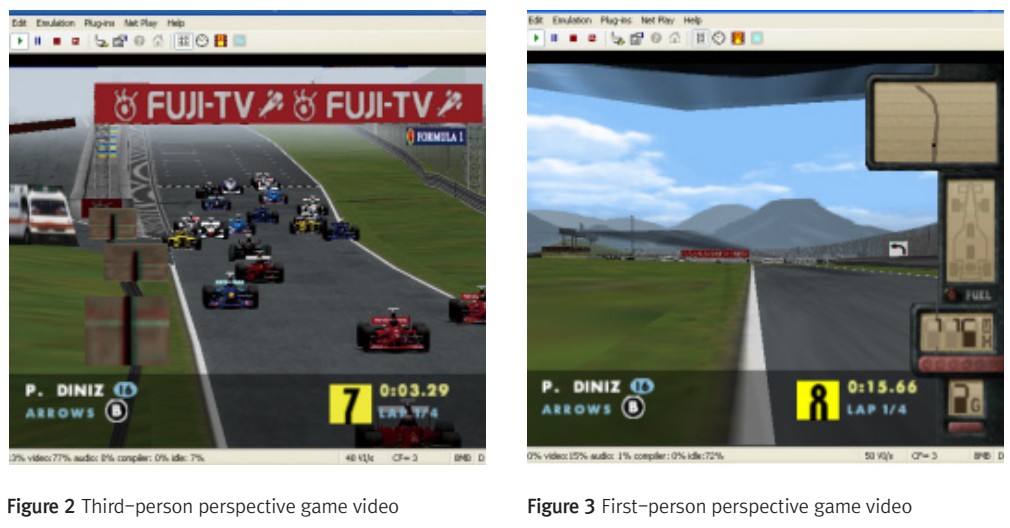
Background: Designers often evaluate user experience incorrectly because they take into account less diagnostic information. We propose the mechanical perspective-taking method to control less diagnostic information and improve the evaluation accuracy of user experience.
Methods: We conducted an experiment. We manipulated mechanical perspective-taking by changing the point of view without changing the content of the video game; half of the participants watched a video game from the first person point of view and the other half watched it from the third person point of view. Then, all of the participants evaluated one of the two types of airport use experience; one with positive, less diagnostic information and the other with negative, less diagnostic information.
Result: For the airport use experience with positive, less diagnostic information, the participants watching it from the first person point of view evaluated it less positively than the participants watching a video game from the third person point of view. However, the opposite pattern was obtained for the airport use experience with negative, less diagnostic information; the former group evaluated it less negatively than the latter group.
Conclusion: We demonstrated that the mechanical perspective-taking method controls less diagnostic information effectively, which can help people focus on the target experience.
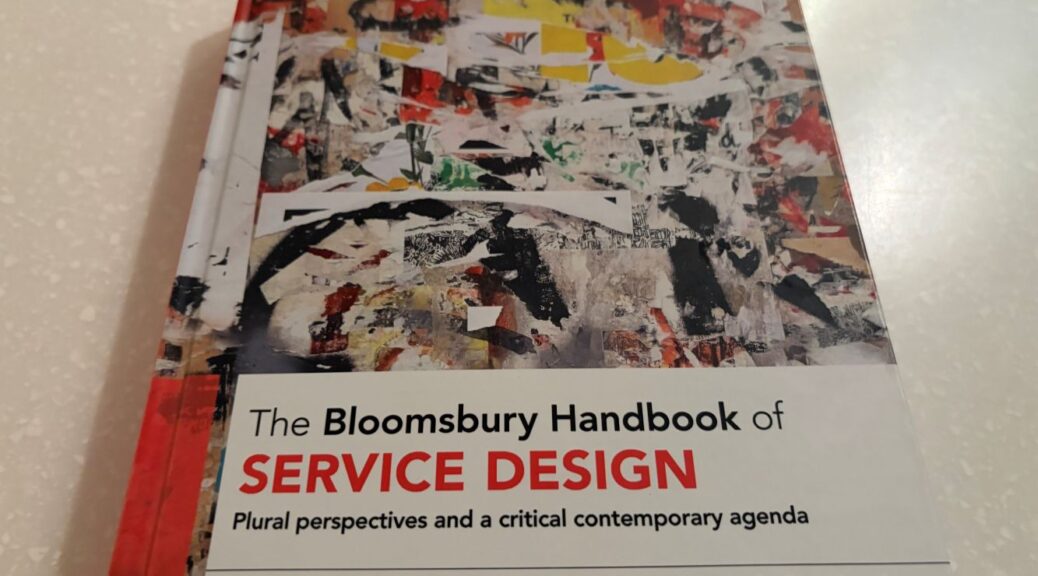
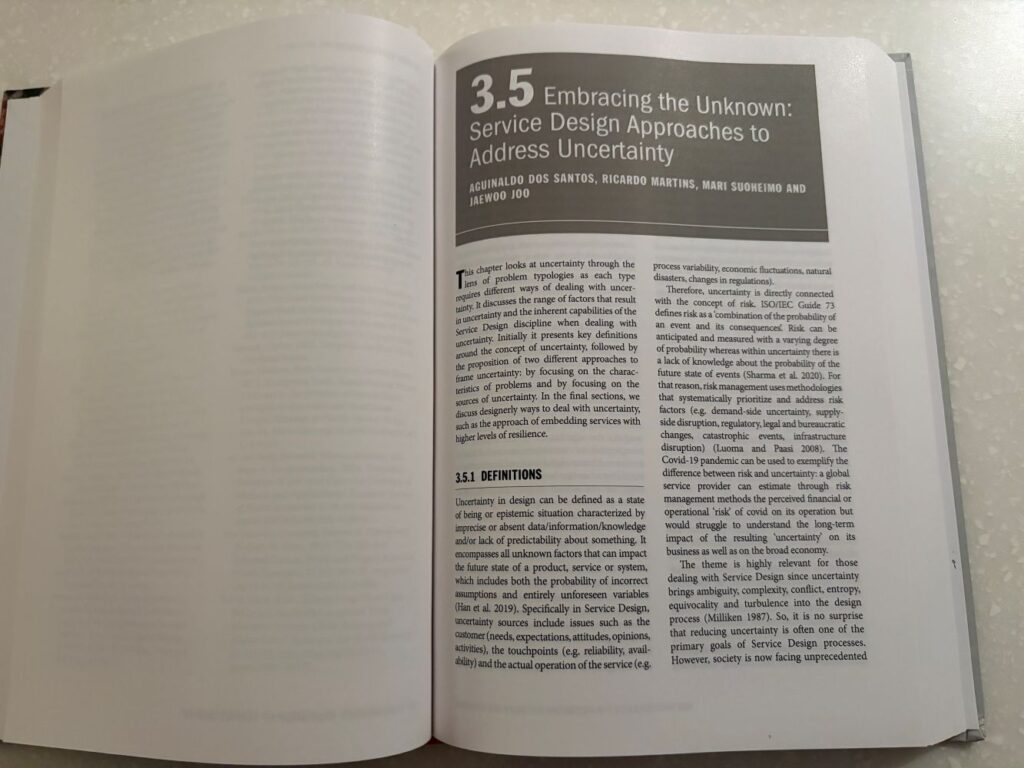
While working on this chapter, one idea kept returning. Many design challenges are not certain. The problem itself keeps changing. Different stakeholders define it differently. Sometimes even the goal is unclear.
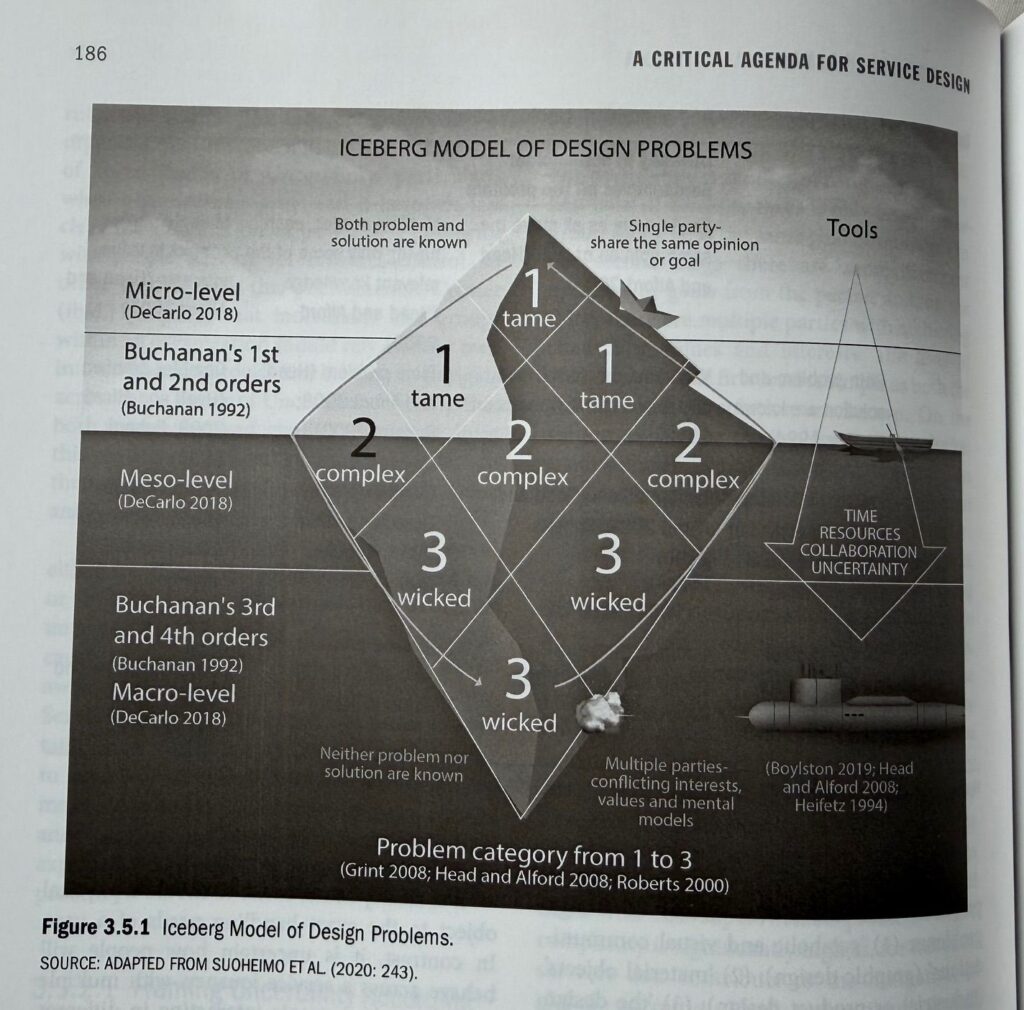
In this chapter, we try to make sense of this uncertainty by looking at two things. First is the type of problem. A simple service problem requires a very different approach from a complex or wicked one. Second is the source of uncertainty. It may come from users, from organizations, or from broader changes in society.
Another point became important as we wrote. Uncertainty does not arise only from the external context of a design task. It is also generated within the design process itself. The ways we define users, select tools, and frame assumptions can introduce additional uncertainty.
This leads to a different question. Instead of asking how to eliminate uncertainty, what if we ask how to design services that can live with it?
Therefore, our temporary answer is resilience. A service does not need to predict everything in advance. But it should be able to adapt, respond, and recover when conditions change. This requires flexibility, ongoing feedback, and often a different mindset about control.
**
Reference
Santos, Aguinaldo dos, Ricardo Martins, Mari Suhoeimo, and Jaewoo Joo (2026), “Embracing the unknown: service design approaches to address uncertainty,” in The Bloomsbury Handbook of Service Design: Plural Perspectives and a Critical Contemporary Agenda, Lara De Sousa Penin, Alison Prendiville, and Daniela Sangiorgieds, eds., Bloomsbury Publishing, 181-198.
Design thinking is widely taught as a universal innovation method. Many frameworks were developed in Western contexts. But how does design thinking actually work inside Korean companies?
In a recent paper with Seamus Yu Harte from the Stanford d.school, we examined this question by analyzing 1,117 practitioner quotes from industry lectures given by executives and managers from companies such as LG Electronics, Hyundai Motors, SK Telecom, and Kakao.
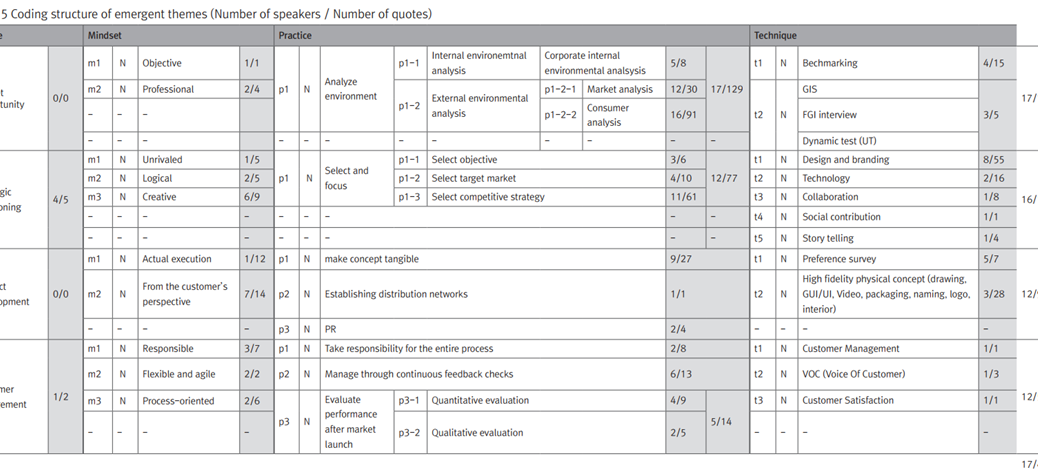
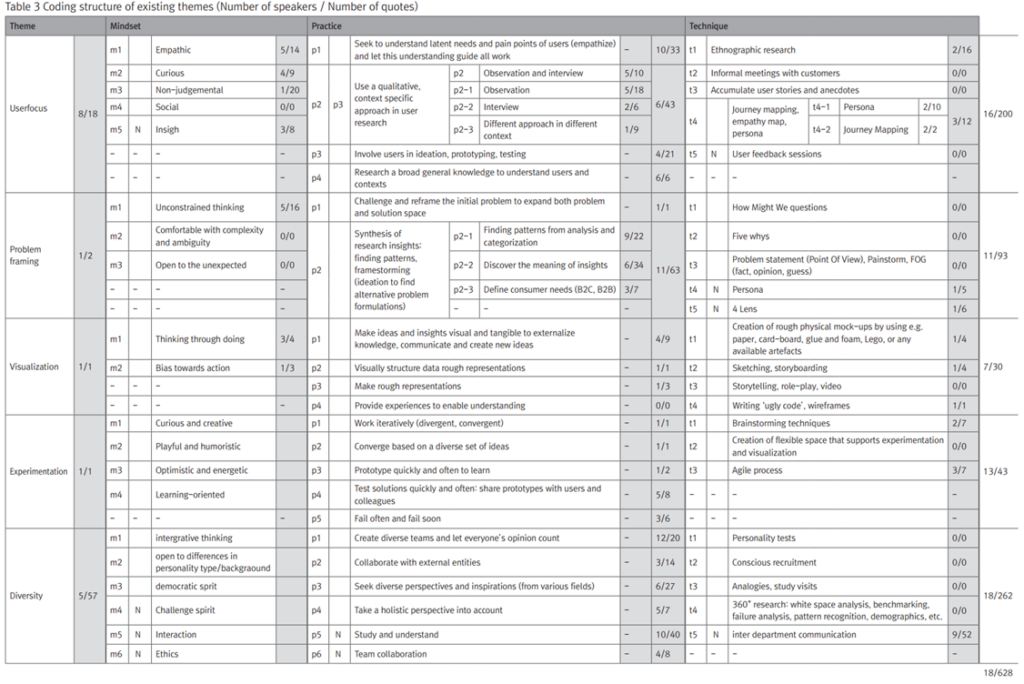
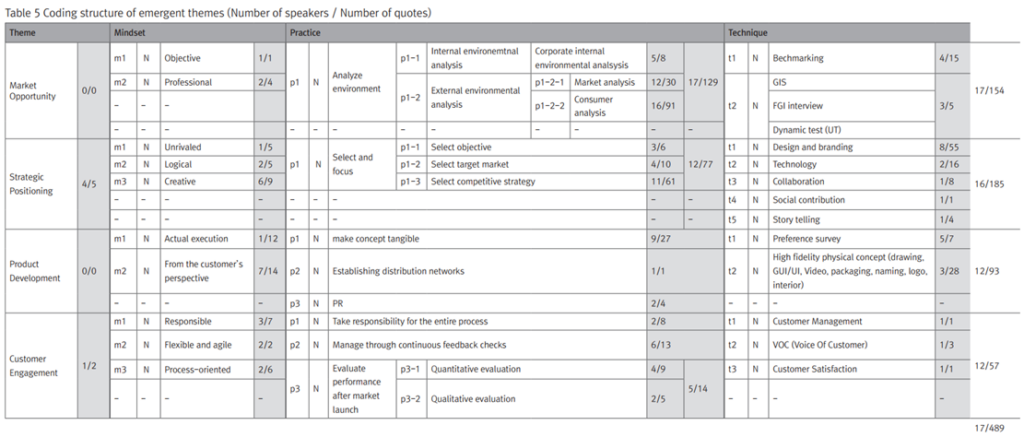
About 56% of the quotes matched the well known five themes of design thinking (e.g., user focus, problem framing, visualization, experimentation, and diversity). However, 44% did not fit this framework. Instead, four new themes emerged from the quotes: market opportunity, strategic positioning, product development, and customer engagement. These findings suggest that Korean practitioners extend design thinking beyond early stage ideation to adapt it into a strategic and operational management tool.
Background: Design thinking frameworks developed in Western contexts may not fully capture how these approaches are adapted in different cultural and organizational settings. In South Korea, where businesses tend to be execution focused and hierarchical, the practice of design thinking may evolve in unexpected ways. This study addresses the gap by investigating how Korean professionals interpret and apply design thinking within their unique organizational cultures.
Methods: We conducted a qualitative analysis of 1,117 practitioner quotes collected from 18 guest lectures on design thinking delivered to Korean business school students between 2015 and 2021. Using the Carlgren et al. (2016) five-theme framework as an analytical lens (user focus, problem framing, visualization, experimentation, and diversity), we coded all quotes and identified both aligned and emergent themes.
Results: Findings show that 56% of the quotes aligned with Carlgren et al. five themes, while 44% revealed four new themes: Market Opportunity, Strategic Positioning, Product Development, and Customer Engagement. These emergent themes suggest that Korean practitioners adapt design thinking into a strategic and operational management tool to align with demands like ppalli-ppalli (speed) and Chaebol hierarchy. Furthermore, we propose a layered conceptual model (Mindset, Practice, Technique) to explain how design thinking is institutionalized, finding that Mindset is the least frequent but most essential precondition for organizational change.
Conclusions: The results suggest that Korean professionals adapt design thinking into a layered system that simultaneously operates at the levels of mindset, practice, and technique. This paper contributes one of the most detailed empirical studies of non-Western applications of design thinking, offering insights for scholars and practitioners seeking to navigate culturally specific innovation contexts. This work particularly contributes to cross-cultural design theory by demonstrating the operationalization of design thinking in a manufacturing-heavy economy.
Keywords: Design Thinking, Cross-Culture Adaptation, Organizational Practice, Korean Business Culture, Qualitative Analysis
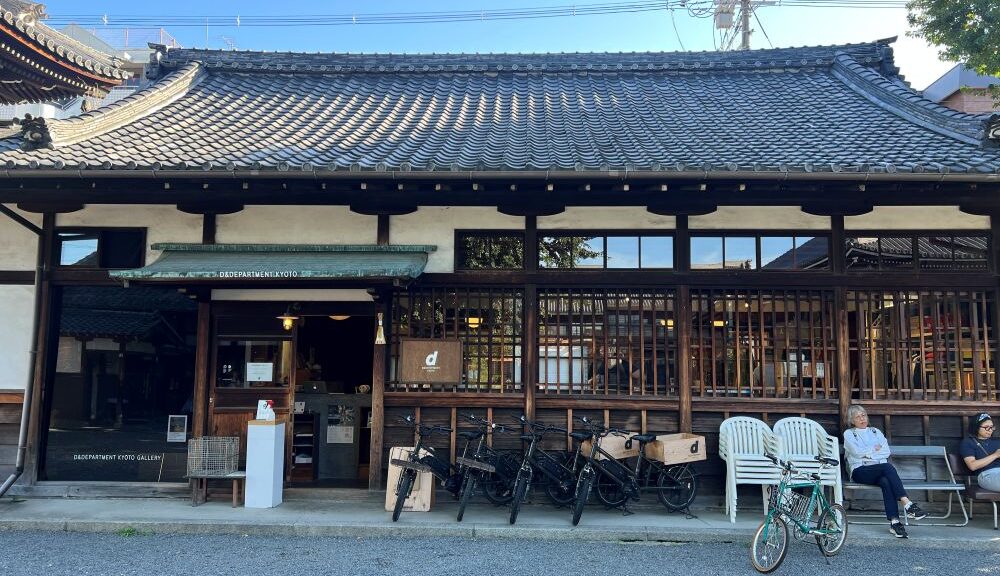
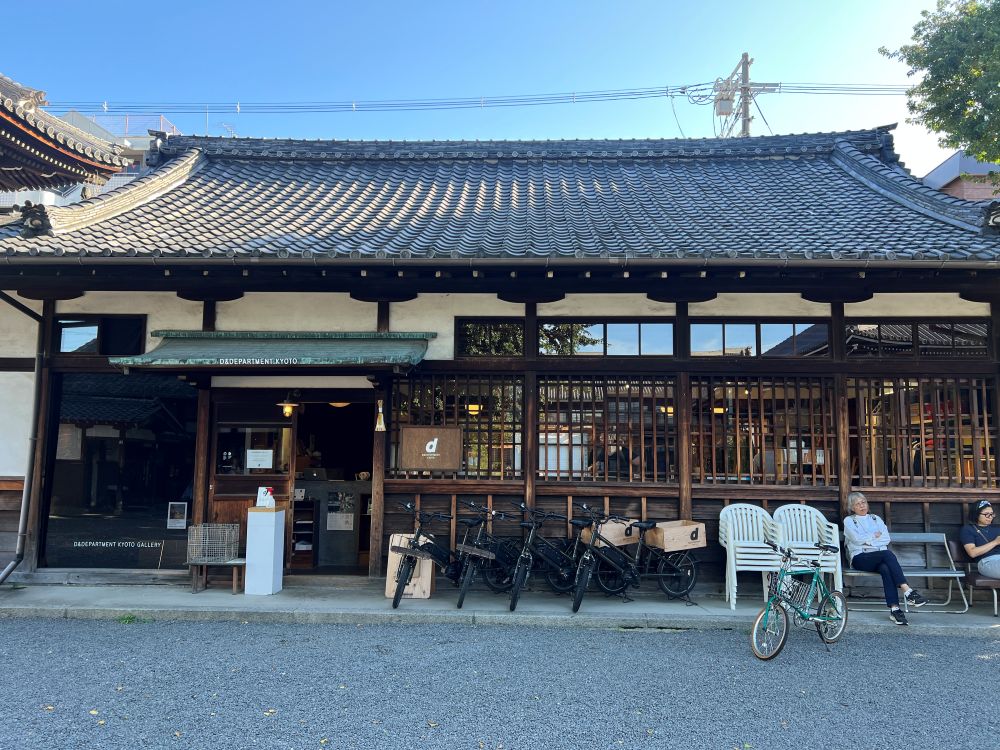
I recently visited D&Department Kyoto (ディアンドデパートメントプロジェクト), a store in Japan dedicated to enduring value. D&Department champions “Long Life Design,” promoting sturdy, regional, and sometimes used products.
One marketing lesson comes from the store’s special location inside Bukkō-ji Temple. When I walked from the temple’s old courtyard into the shop, every object instantly looked more valuable.
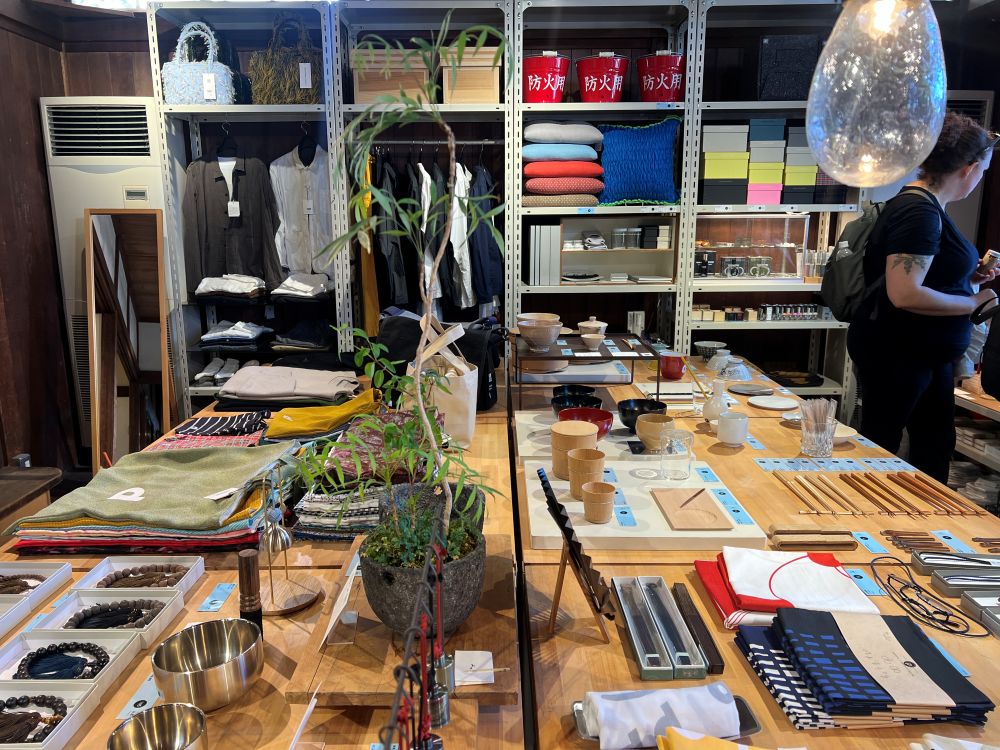
A simple cup, which might look just functional online, becomes a curated object filled with the temple’s sense of history. The environment transforms the act of shopping into a cultural thing. Even used items are valuable pieces of good design.
I think the physical store works as a contextual amplifier. It makes the perceived value of every item higher. The products work together, and their collective value is bigger than their individual parts. I saw the same phenomena at the Jeju café (http://designmarketinglab.com/archives/6550) and also at the Napa Valley winery (http://designmarketinglab.com/archives/7444).
Studies confirm the physical store is necessary for physical engagement with “deep products” like used items. The quality of the physical retail environment is a direct antecedent to the customer’s overall value creation and experience. This is particularly true for high-design goods that require multi-sensory inspection for customers to feel confident in their purchase.
Retailers, such as Starbucks and Victoria’s Secret, aim to provide customers a great experience across channels. In this paper we provide an overview of the existing literature on customer experience and expand on it to examine the creation of a customer experience from a holistic perspective. We propose a conceptual model, in which we discuss the determinants of customer experience. We explicitly take a dynamic view, in which we argue that prior customer experiences will influence future customer experiences. We discuss the importance of the social environment, self-service technologies and the store brand. Customer experience management is also approached from a strategic perspective by focusing on issues such as how and to what extent an experience-based business can create growth. In each of these areas, we identify and discuss important issues worthy of further research.
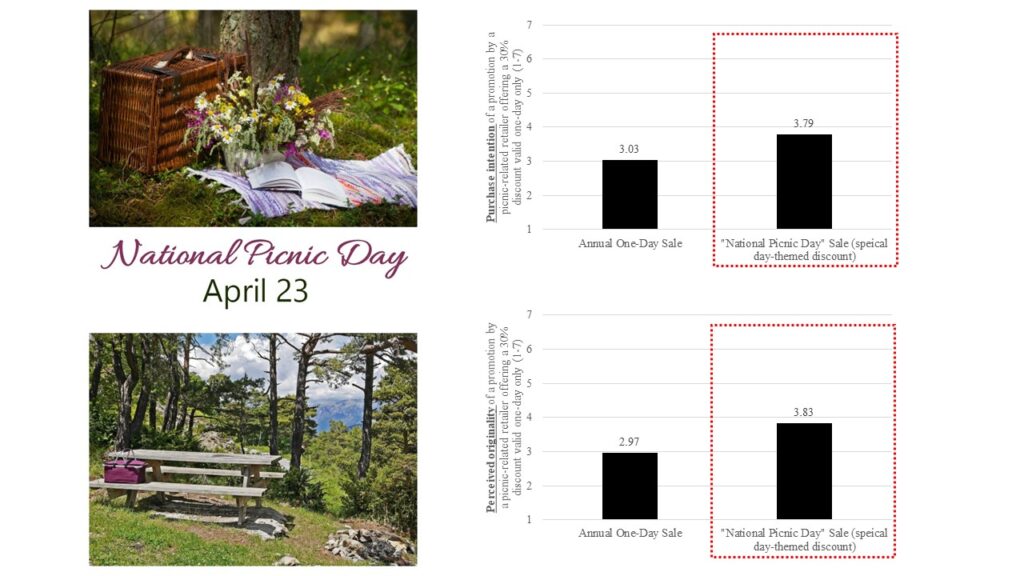
The goal for any company’s marketing is to make a day on the calendar become a special holiday. Two big successes are Star Wars Day (May 4th) in the US and Pepero Day (November 11th) in Korea. They became special for different reasons.
Star Wars Day works because of a sound trick. The date May the Fourth sounds like the famous phrase, “May the Force be with you.” For business, Star Wars Day is a broad sales event. Many companies give cheaper prices on any product with the Star Wars name. The day is like a Black Friday, driving sales across many different products and companies.
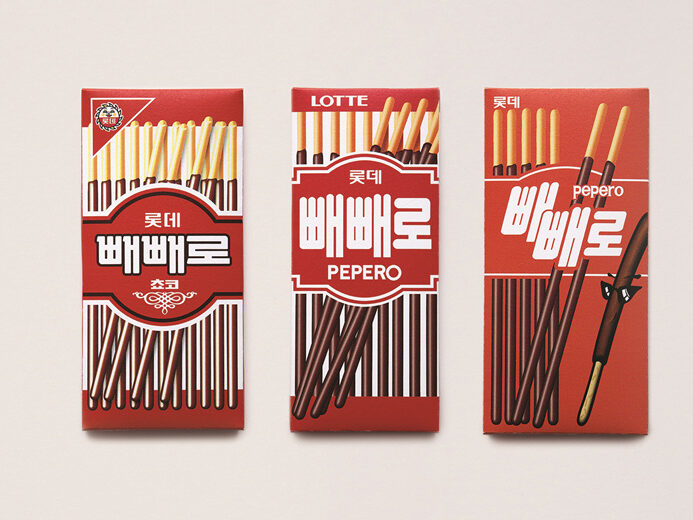
Pepero Day is different. The date 11/11 was chosen because the long, thin Pepero sticks look exactly like the number ‘1’. The whole holiday is built on this visual match.
Pepero Day is strongly connected to one company, Lotte Confectionery. The day’s goal is to make people buy and give away Pepero. It lets people show love or give a gift easily. This helps people overcome social rules and drives high sales for only Lotte.
Pepero Day is a smarter success because it targets social desires to sell its own product more, while Star Wars Day is a simpler discount celebration for many companies.
Many firms now link discounts to “special days”—novel holidays/events not historically associated with promotions (e.g., Pi Day). Using a field study and laboratory studies, we explore consumers’ responses to special day-themed sales promotions. Specifically, we demonstrate that consumers respond more favorably to a discount celebrating a special day compared to the same discount with no link to the special day. Further, we show that consumers’ increased intentions to use special day-themed discounts are driven by their perceptions of the marketer’s creativity (both the originality and appropriateness dimensions) through a marketplace metacognition process. Thus, when a given special day-themed discount becomes commonplace in the marketplace (i.e., originality is low) or when there is low fit between the firm and special day (i.e., appropriateness is low), special day-themed promotions are no more effective than more traditional types of one-day sales. Finally, we develop a typology of special day-themed sales promotions and offer avenues for future research on how consumers respond to such promotional efforts.
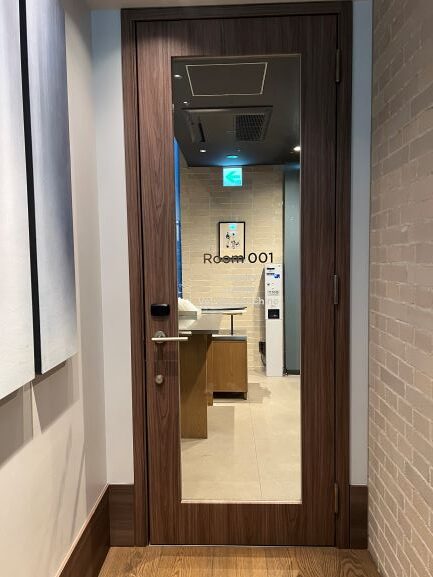
I recently visited Zentis Osaka and discovered a lesson in experience design hidden behind the door marked “Room 001.”
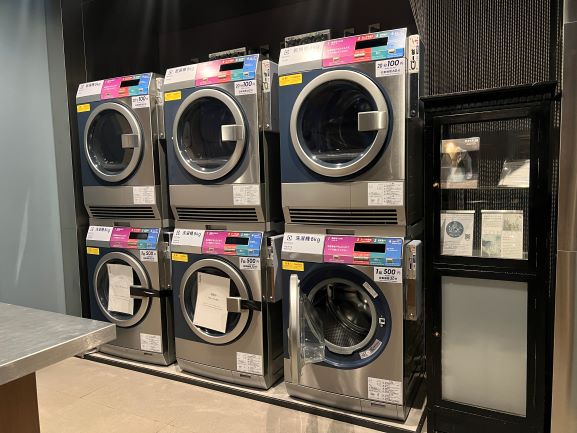
The typical hotel laundry room is a purely utilitarian space, equipped only with the essentials: washers, dryers, and an iron.
Zentis, however, focused not just on the chore itself, but on how guests spend time while waiting. They transformed the often-dreary waiting area into an unexpected, welcoming third place.
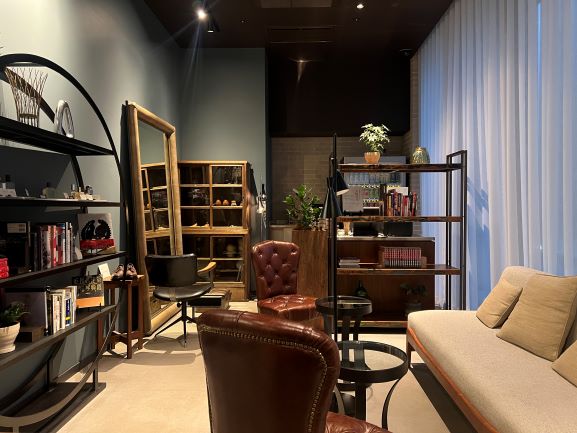
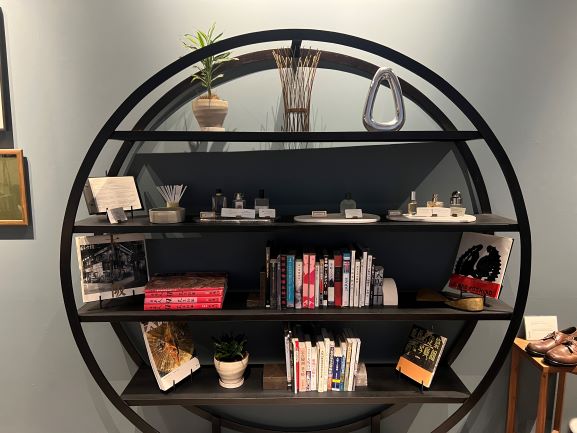
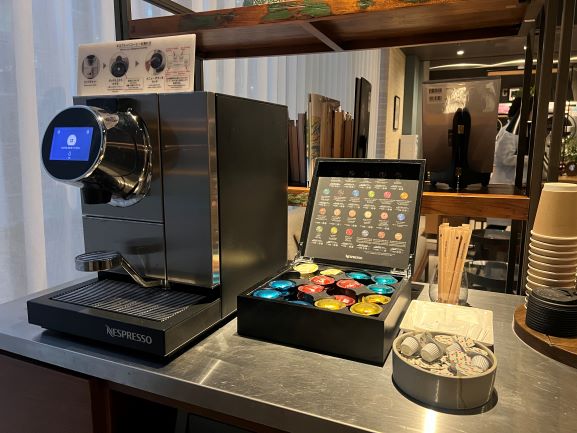
This space is like a residential lounge. It has rich leather chairs, a comfortable sofa, and a table. A bookshelf with selected books is there. Also, a premium coffee machine offers fresh coffee.
This hotel recognized the fundamental gap between laundry as a necessary chore and hospitality as a comprehensive experience. By intentionally elevating a mundane task, they turned the waiting time into a moment of relaxation.
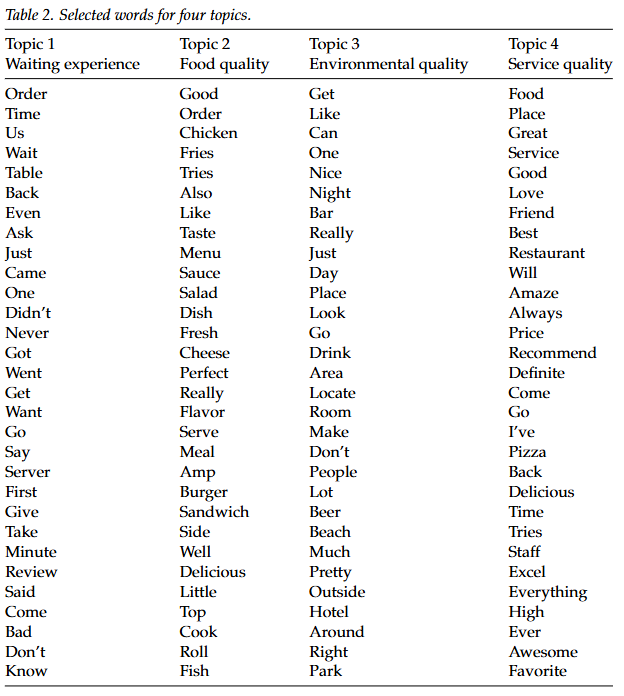
This study employs big data analytics to examine customers’ waiting experiences in restaurants, a critical component of the broader hospitality and tourism industry. Drawing upon a large corpus of online reviews, the analysis uses topic modeling to identify four salient themes that emerge—waiting, food, servicescape, and service quality—informing the way in which customers perceive and evaluate dining experiences. Two subsequent regression analyses reveal a significant negative relationship between waiting-related comments and overall review ratings, underscoring the disproportionate influence of waiting experiences in shaping customer satisfaction. These findings offer valuable insights for hospitality and tourism practitioners and researchers aiming to deepen their understanding of how waiting times and experiences can impact service perceptions and overall consumer evaluations in restaurant contexts.
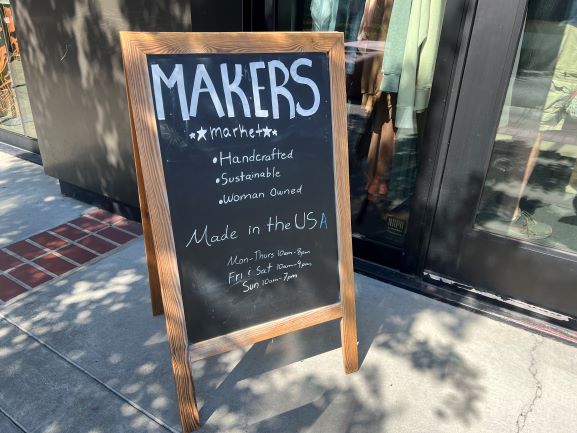
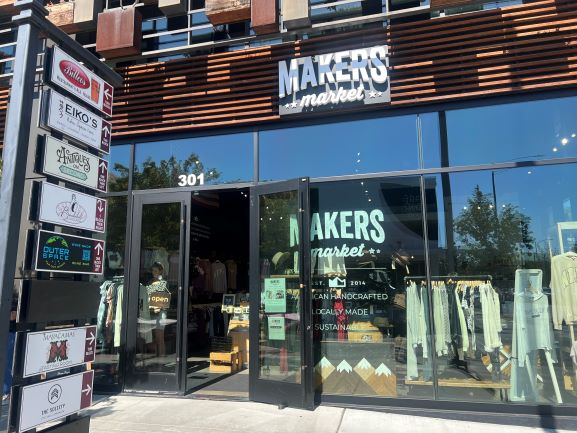
But this time, I noticed their other, secret weapon. The chalkboard sign outside listed three things.
Hand-crafted
Sustainable
Woman owned
“Woman owned” is actually a very smart way to signal competence. People often think women have warmth, but maybe less business competence. When the business owner chooses to put this fact on the sign, it may flip the stereotype and could become a confident statement: “I am a successful owner of a high-quality business.”
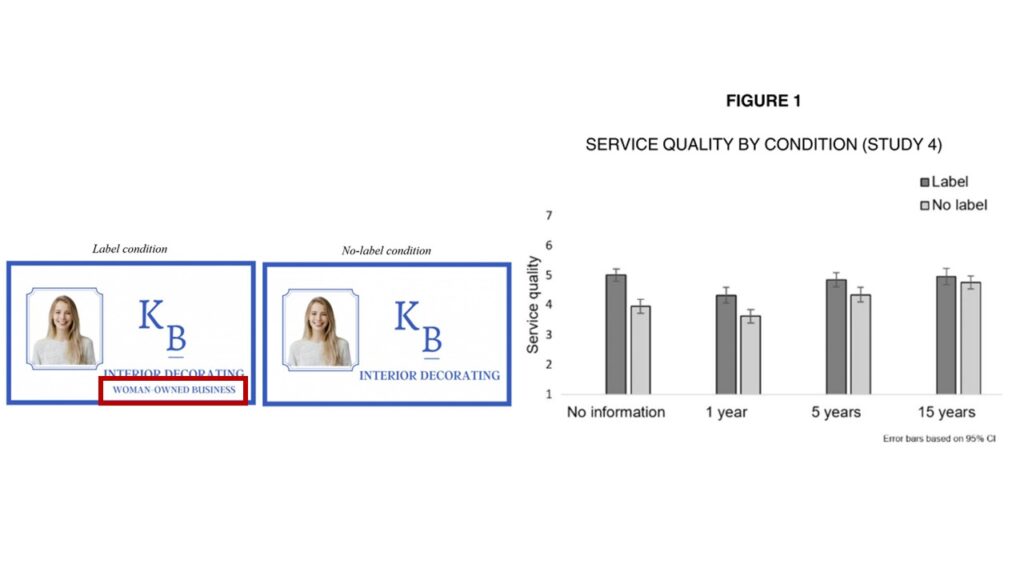
This is not only my idea. A recent marketing research demonstrates that using the “woman-owned” label increases the perception of service quality. For businesses like Makers Market, this simple sign is a powerful strategy to overcome stereotypes and gain customer trust.
Gender bias is widely recognized as having negative effects on women in business, including on outcomes such as hiring, promotion, pay, and access to venture capital funding. This study identifies a strategy that women business owners can employ to boost business outcomes. Across five preregistered studies (N = 2585), including a field study, affixing the owner attribute label “woman-owned business” can engender positive business outcomes, including perceptions of business competence and service quality (studies 1 and 2). These effects are driven by an increase in perceptions of the business owner’s agency (study 3). Affixing a gender-based owner attribute label is especially effective in situations that lack other credible cues of competence (study 4) and in industries that are perceived as difficult to succeed in (study 5). The present work advances our understanding of stereotypes, discrimination, and identity in the consumer marketplace, and it offers practical implications for business owners in traditionally marginalized groups who face—and must combat—stereotypes.
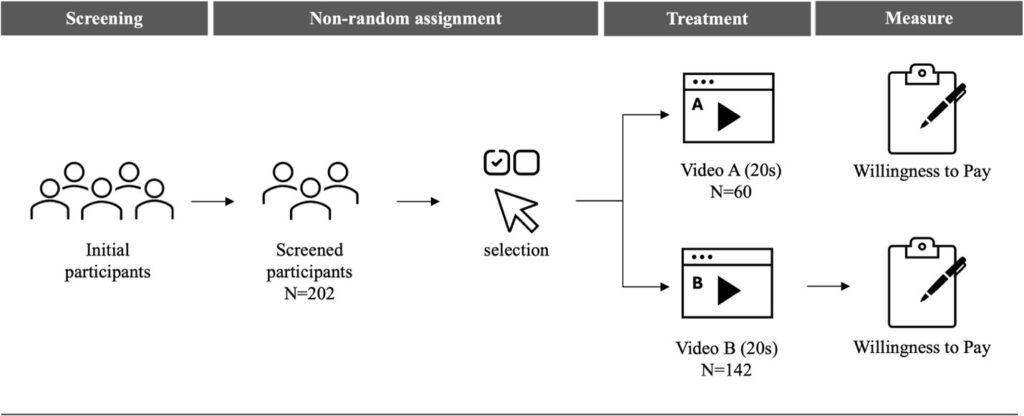
Most digital marketers rely heavily on customer reviews or teasers. However, when we collaborated with Samsung Electronics to run two field experiments, we uncovered a critical mismatch between messaging and audience.
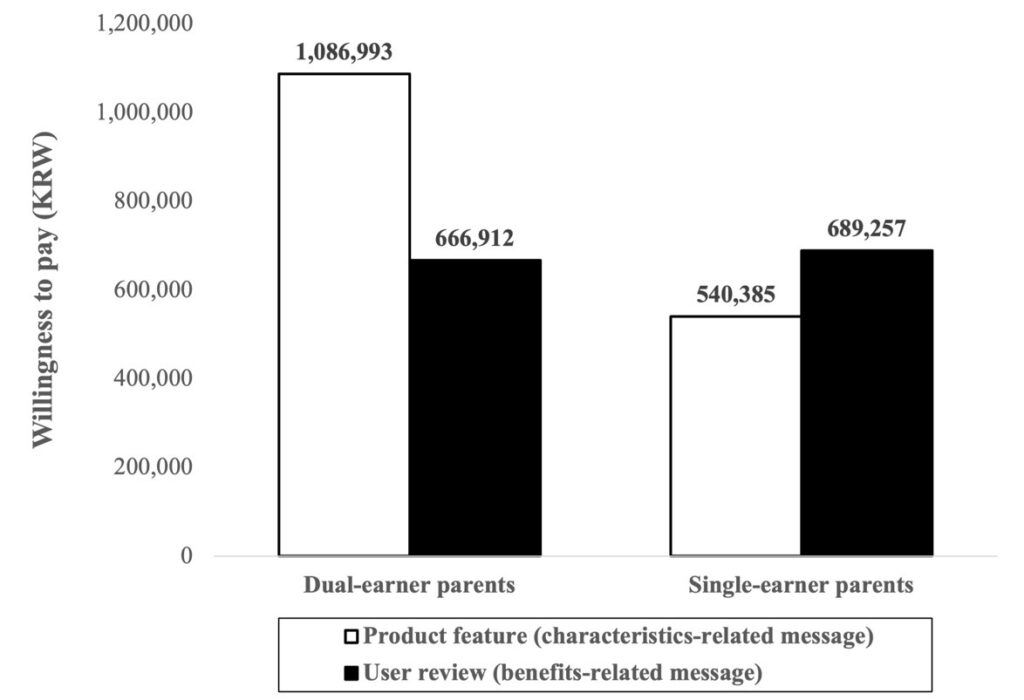
We specifically targeted busy, dual-earner parents. Our surprising finding is that benefit-driven formats like customer reviews or teaser pages were largely ignored. Instead, clear, feature-focused messaging outperformed the popular formats.
This field experiment demonstrates why a one-size-fits-all strategy fails in the complex smart home category, providing a necessary blueprint for engaging high-intent consumers with efficient, direct communication.
Purpose: The objective of this study is to explore the effect of family and message type interactions on the sales of smart home products. The study hypothesizes that dual-earner parents, a prolific segment of consumers, will indicate a greater willingness to pay for smart home products when exposed to characteristics-related marketing messages.
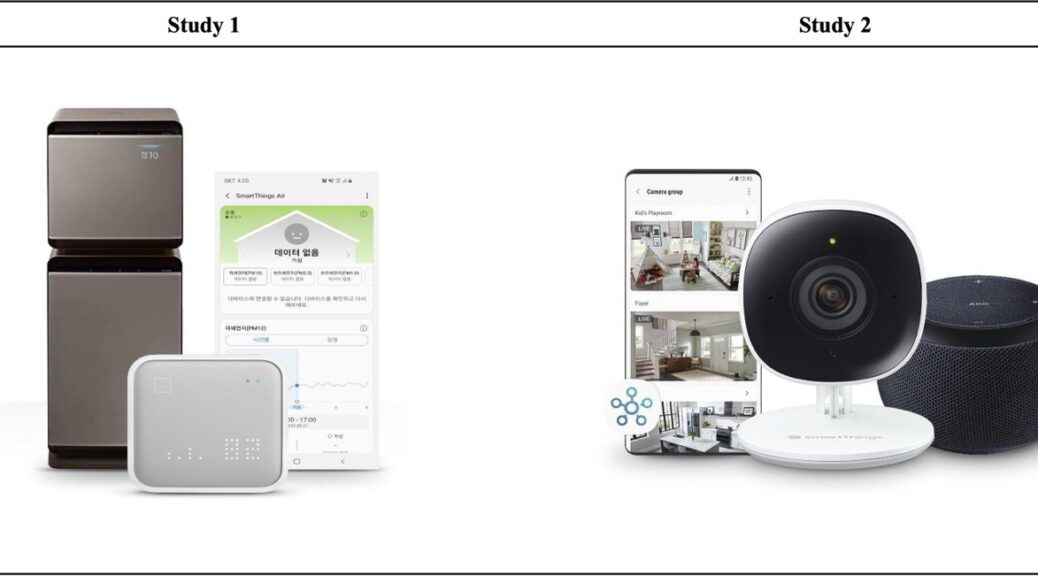
Design/methodology/approach: Two quasi-experimental studies were conducted to test the hypothesis. In collaboration with Samsung Electronics, the studies utilized different smart home product bundles (Smart Air Care and Smart Safety Care), recruited distinct participant groups (parents of children aged three to five and parents of children aged zero to three), and manipulated different types of benefits-related messages (a user review video and a teaser page).
Findings: In response to smart home product messaging, dual-earner parents exhibited greater willingness to pay when exposed to characteristics-related messages compared to benefits-related messages. This difference was not found among single-earner parents.
Originality: Challenging conventional marketing assumptions, the findings demonstrate that benefits-related messages do not universally appeal to smart home product consumers, while characteristics-related messages can increase willingness to pay among dual-earner segment. The collaboration with Samsung Electronics in a quasi-experimental setting strengthens the external validity of the results, suggesting that marketers should tailor messaging strategies based on the characteristics of customer segments.
Keywords: Smart home products, dual-earner parents, message type, Samsung Electronics
“… dual-earner parents’ willingness to pay nearly doubled when presented with characteristics-related messages compared to benefits-related messages, increasing by 163% in Study 1 and 162% in Study 2. This suggests that tailoring messages to this group could significantly boost market penetration and profitability in the competitive smart home product sector.”
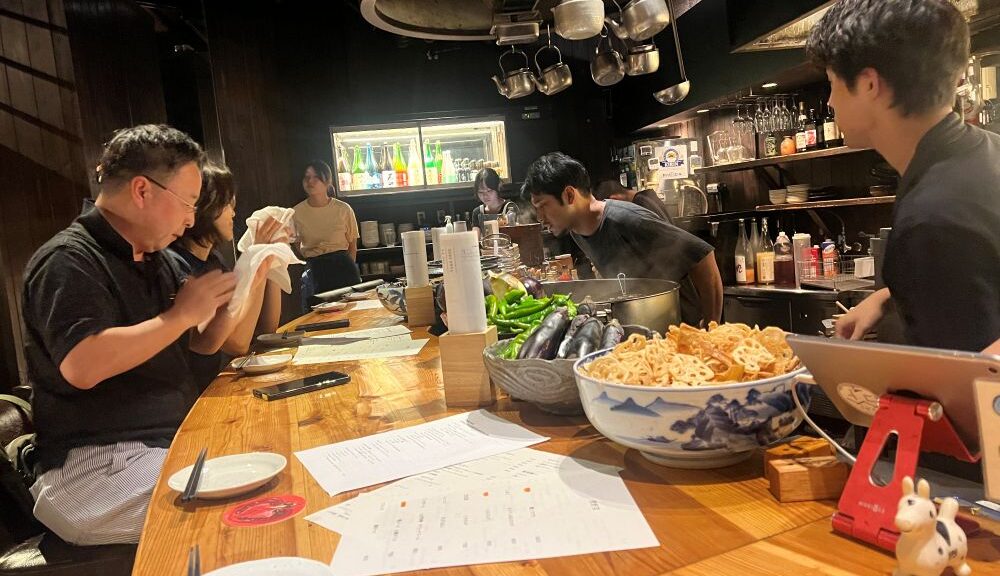
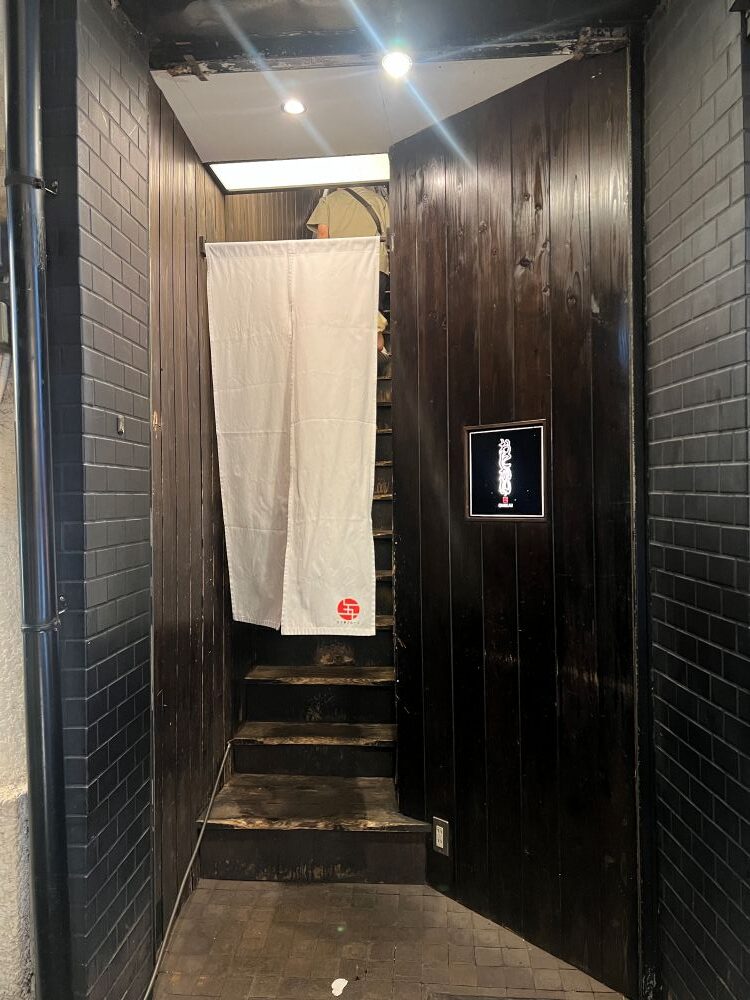
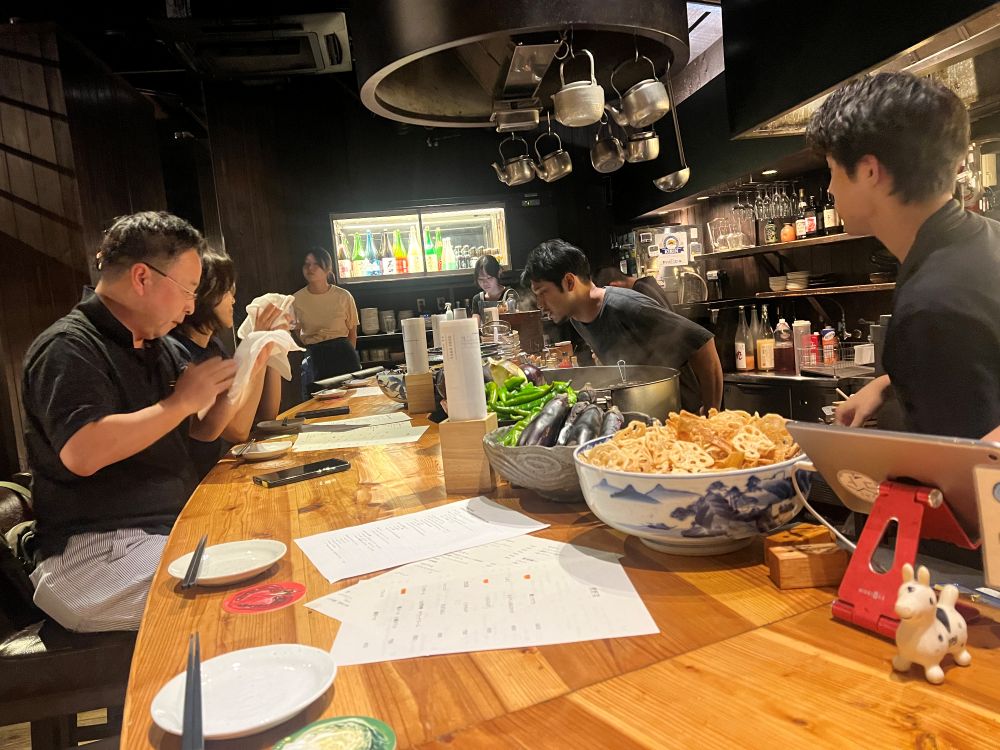
When I first arrived at the narrow entrance of Onikai near downtown Kyoto, I did not expect much. Inside this small restaurant, however, I found a huge counter filled with young, energetic staff who were joking and moving quickly. Since this place felt alive, it reminded me of Dutch Bros in California.
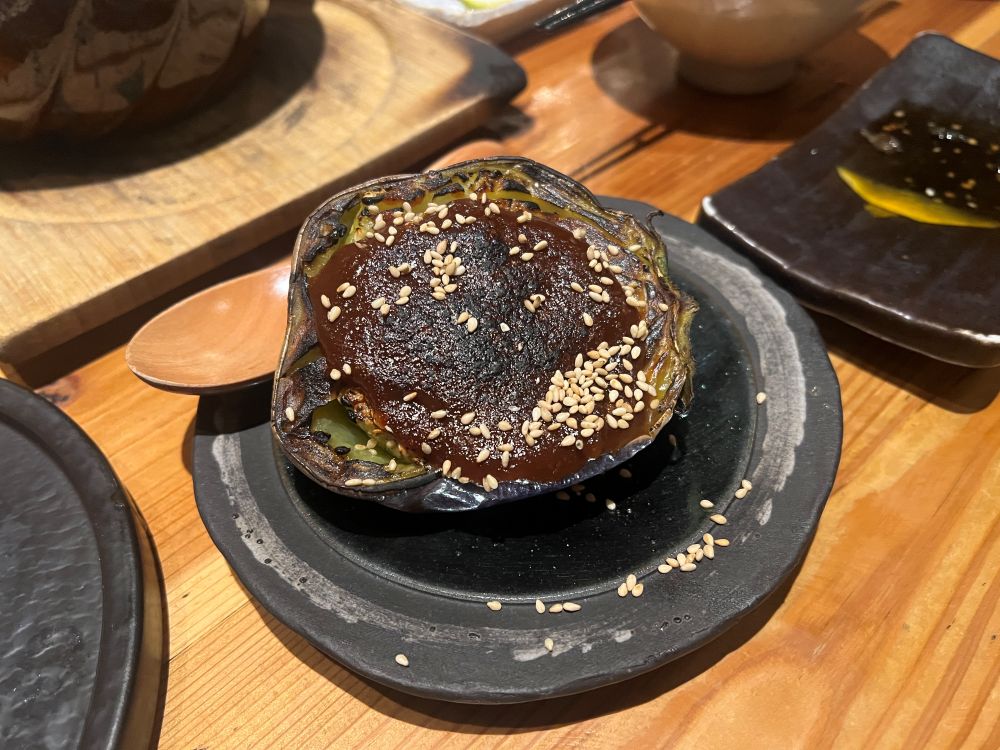
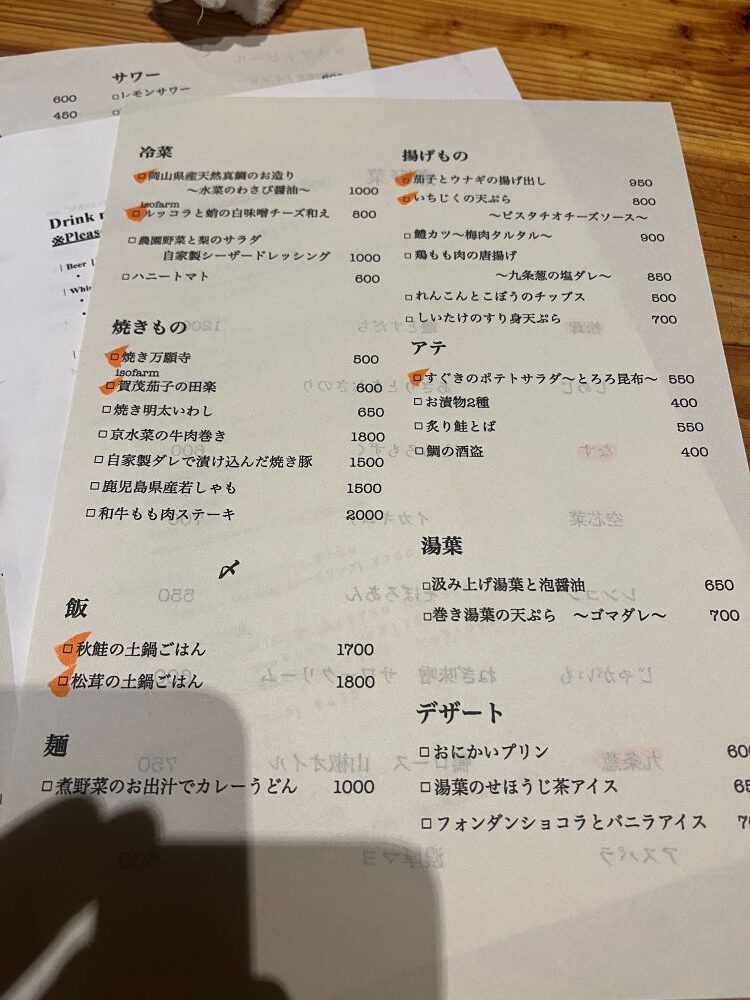
I ordered several dishes: an arugula salad, an eggplant topped with beef sauce, a mushroom rice cooked in a clay pot, and an eggplant slowly burnt and served with sesame. They were light and comfortable. Even when beef was used, they supported vegetables, not dominate them.
This vegetable-first idea feels right for today’s diners. People care about where their food comes from, but they do not all want to be vegan. Balancing freshness, taste, and casual atmosphere reminded me of how In-N-Out in California became trusted and popular by keeping food local and simple.
Dining at Onikai made me think more about what to eat in daily life. In many Western countries, people often focus on which vitamins or supplements to take every day. But Onikai’s vegetable-centered dishes remind me that health can come from everyday meals, not from bottles or pills.
I believe vegetable-centric meal will gradually be adopted by more diners around the world, not as a trend, but as a sustainable way of living.
This article addresses a simple theoretical question of high substantive relevance: What makes a consumption experience special in a consumer’s mind? To answer this question, the authors report an extensive multi-method investigation involving a grounded theory analysis of numerous consumer narratives and in-depth interviews, a field survey, a scale development study, a natural language processing analysis of more than 3 million Yelp reviews, a preregistered multi-factor causal experiment (and its preregistered replication), a blind comparison of hundreds of matched visual Instagram posts by third-party observers, and several small application studies. The findings converge in identifying three major psychological pillars of what makes consumption experiences feel special to consumers, each pillar involving different facets: (a) uniqueness, which arises from the rarity, novelty, irreproducibility, personalization, exclusivity, ephemerality, and surpassing of expectations of the experience; (b) meaningfulness, which pertains to the personal significance of the experience in terms of symbolism, relationships, self-affirmation, and self-transformation; and (c) authenticity, which relates to the perceived genuineness and realness of the experience in terms of its psychological proximity to some original source, iconicity, human sincerity, and connection to nature. As illustrated in the General Discussion, the findings have important substantive implications for the engineering of hedonic consumption experiences.